A = Meta-analysis, systematic review, guideline recommendation, or randomised trial in this acne type · B = Controlled clinical trial in this type, or a strong trial in an adjacent one · C = Small or open-label human data, or mechanism plus supporting human evidence · D = In vitro or mechanism only.
Take the grid: JSON · CSV, CC BY 4.0.
Adapalene — works at 0.1%
Adapalene comes at 0.1% — the strength available over the counter as Differin — and at a stronger 0.3% reserved for prescription use in moderate-to-severe acne, as well as in fixed-dose combination gels with benzoyl peroxide 2.5%. For most people starting out, the OTC 0.1% gel is the right entry point.
A Blackheads and whiteheads: The first-line topical in the 2024 AAD guideline, and the one that actually addresses the blocked follicle rather than the bacteria. 0.1% is the over-the-counter strength and it is fixed by the monograph, so brand price differences here are pure margin.
A Red, inflamed spots: Strongest in combination with benzoyl peroxide, which is exactly what the guideline recommends — two mechanisms rather than a stronger single one.
B Hormonal acne and cystic acne: Helps the lesions it can reach. It does not touch the hormonal driver, which is why this type so often needs a prescriber.
— Fungal acne: A retinoid has no antifungal activity.
What we don't know: Adapalene is a real retinoid, so a transient 'retinization' period — dryness, peeling, redness, sometimes an initial purge — is normal in the first weeks; ease in (e.g. a few nights a week), use a simple moisturizer, and don't expect overnight results.; It needs about 8-12 weeks for the full effect and works best used consistently and preventively — it's a treatment for the acne process, not an overnight spot fix.; Two firm retinoid cautions: wear daily SPF, and AVOID adapalene in pregnancy.; It treats acne and, through increased cell turnover, can help fade the marks acne leaves behind — but it is NOT a dedicated pigment/tyrosinase brightener, and it won't resurface deep scars.; The OTC strength is 0.1%; the stronger 0.3% and some fixed combinations are prescription, and very stubborn or severe acne may still need a dermatologist's wider toolkit.
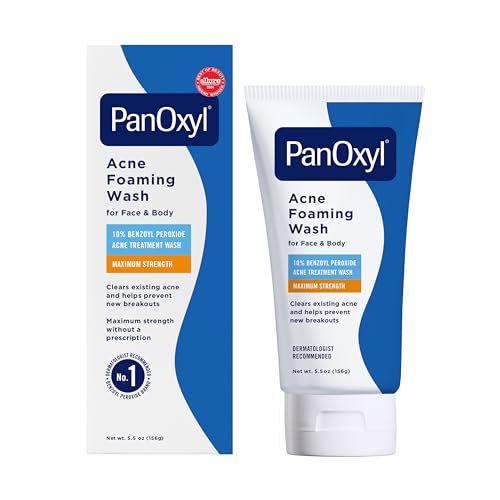
Benzoyl Peroxide — works at 2.5-10%
FDA OTC monograph approves 2.5–10% (21 CFR 333.310). The key clinical finding: 2.5% is nearly as effective as 5% and 10% for reducing inflammatory lesions, with significantly less dryness, erythema, and irritation.
B Blackheads and whiteheads: Works, but it is not the tool for this job. A retinoid is.
A Red, inflamed spots: First-line, and the strength finding matters more than the choice: 2.5% performed comparably to 10% with substantially less irritation. Buying the strongest tube on the shelf is the classic error.
B Hormonal acne and cystic acne: Useful on the inflammatory component; does not reach the deep nodule.
— Fungal acne: Antibacterial, not antifungal. It will not touch Malassezia.
What we don't know: The 2.5%-equivalence-to-5%/10% finding rests primarily on one RCT (Mills & Kligman 1986, 153 patients across three studies). This study is widely cited and consistent with mechanistic understanding, but independent large-scale replication with modern formulations and long-term outcomes would strengthen the evidence base.; The minimum contact time data (PMID:35300432) are in vitro against isolated C. acnes strains and may not directly predict in-use performance in the pilosebaceous unit under real-world conditions.; Most bactericidal efficacy data for benzoyl peroxide comes from in vitro or follicular microbiology studies. Long-term randomized controlled trials with validated patient-reported outcomes and standardized lesion counting methodology are variable in quality across the Cochrane pool of 120 trials.; The benzene degradation risk is temperature- and UV-dependent, but the threshold conditions for clinically meaningful in-use exposure under real-world home storage and bathroom conditions are not well characterized. The FDA and Valisure used different testing methodologies, producing discordant results; the practical real-world benzene exposure magnitude from OTC BPO under typical consumer conditions has not been fully resolved.; Cancer risk from long-term topical benzoyl peroxide use has not been formally evaluated in a prospective epidemiological study powered to detect small increases in malignancy risk.; Pregnancy safety data are based on minimal systemic absorption extrapolation and ACOG guidance, not on controlled prospective studies in pregnant humans.; The comparative efficacy of benzoyl peroxide versus newer acne actives (e.g., ivermectin 1%, clascoterone 1%, dapsone 5/7.5%) has not been comprehensively meta-analyzed.; Sensitization rates reported in patch test studies (5.6–7.8%) come from dermatology clinic populations pre-selected for skin reactions, which likely overestimate population-level risk; true sensitization prevalence among acne patients using standard consumer formulations is not established with precision.
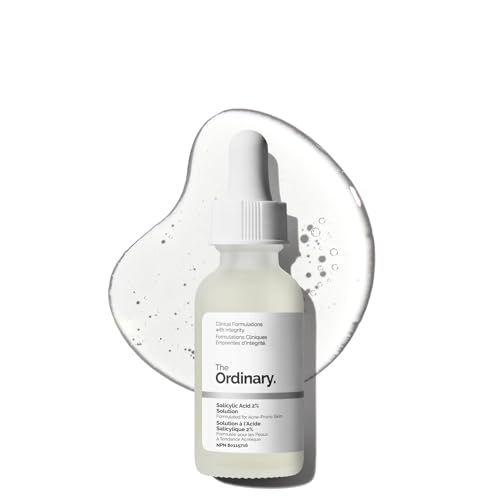
Salicylic Acid (BHA) — works at 0.5-2%
The FDA OTC acne drug monograph (21 CFR 333.310) permits 0.5 to 2% salicylic acid as an active ingredient in over-the-counter topical acne products. Higher concentrations (10-30%) are used in professional chemical peel settings and are not appropriate for self-directed home use.
A Blackheads and whiteheads: Oil-soluble, so it gets into the follicle where the blockage is. Recognised in the US OTC acne monograph at 0.5-2%.
C Red, inflamed spots: Some anti-inflammatory effect, but not the lead here.
C Hormonal acne and cystic acne: Surface help only.
— Fungal acne: Keratolytic, not antifungal. Removing the plug does not remove the yeast.
What we don't know: The key pharmacokinetic studies establishing that oil-solubility enables follicular penetration are largely based on in vitro skin models and indirect clinical observation; no controlled human imaging study directly visualising salicylic acid inside intact sebaceous follicles has been published.; The anti-inflammatory mechanism of topical salicylic acid at OTC concentrations in human skin in vivo is not fully characterised. The AMPK/SREBP-1 and NF-κB pathway data (PMID:30972839) are from in vitro sebocyte cultures, not from human skin biopsies after topical application.; Optimal pH for maximum efficacy in a leave-on product has not been established in a controlled human randomised trial; the Raman spectroscopy data (PMID:29465383) compares only two formulations in an observational design.; The CIR amended assessment (2025) does not specify a concentration ceiling for cosmetic use; safety is conditional on QRA-supported non-irritating/non-sensitizing formulation, leaving the practical upper concentration limit undefined in the CIR document.; Salicylic acid head-to-head comparisons versus AHAs (glycolic acid, lactic acid) in well-powered randomised controlled trials with validated acne outcome measures are limited; most superiority claims rest on mechanism rather than comparative clinical trial data.; Willow bark extract's topical efficacy data (PMID:20883292) is from a single uncontrolled study with a 0.5% salicin serum; no dose-finding studies or direct comparisons to equivalent salicylic acid concentrations have been published.; Capryloyl salicylic acid (LHA) CIR safety status (2024) is currently listed as insufficient data — the safety determination is unresolved pending additional submissions.; The pregnancy safety guidance for low-concentration topical salicylic acid is based on extrapolation from systemic absorption data and low-dose oral aspirin studies, not from a prospective cohort study of topical OTC use in pregnancy.
Azelaic Acid — works at 10-20%
OTC products (e.g., 10% suspension) show clinical activity; FDA-approved Rx formulations are 15% (rosacea) and 20% (acne/melasma). No head-to-head data establishes minimum effective OTC concentration.
B Blackheads and whiteheads: Both comedolytic and antibacterial, and unusually well tolerated — often the right answer when a retinoid is not an option.
A Red, inflamed spots: The quiet all-rounder: anti-inflammatory as well as anti-bacterial, and safe in pregnancy where adapalene is not.
B Hormonal acne and cystic acne: Reduces the inflammatory component and the post-acne pigment that follows it.
— Fungal acne: Left ungraded deliberately. Azelaic acid is plausible against Malassezia on mechanism, but our corpus holds no trial in folliculitis, so it gets no grade rather than a guess.
What we don't know: No independent peer-reviewed RCT has specifically tested a 10% OTC azelaic acid formulation (the most common consumer-market concentration) for any indication. All clinical evidence comes from 15% or 20% Rx formulations.; The selective cytotoxicity on hyperactive vs normal melanocytes (PMID:2114832) is foundational to the safety profile, but the molecular mechanism of this selectivity is not fully characterized; increased membrane permeability in abnormal melanocytes is hypothesized but not confirmed.; Most anti-inflammatory ROS data (PMID:1867478) comes from ex vivo neutrophil studies; in vivo quantification of ROS inhibition in rosacea skin after topical application has not been published.; The 2025 pregnancy retrospective (PMID:40873252) involved only 26 patients in the azelaic acid arm; a large prospective controlled trial in pregnancy is still lacking, meaning the safety classification relies on low systemic absorption and preclinical data rather than powered human trials.; Head-to-head comparison of azelaic acid 10% OTC versus prescription 15% in the same patients for PIH, acne, or rosacea has not been published in peer-reviewed literature.; Long-term data (beyond 24 weeks) on sustained azelaic acid use for melasma maintenance are limited; relapse rates after discontinuation versus hydroquinone have not been systematically compared.; Potassium azeloyl diglycinate (PAD) lacks head-to-head data against free azelaic acid; all PAD trials use multi-ingredient formulations, making it impossible to isolate PAD's contribution.
Mandelic Acid (AHA) — works at 5-10%
Consumer leave-on products typically use 5-10% mandelic acid, consistent with the CIR Expert Panel's 10% maximum recommendation for AHAs in cosmetics. Professional chemical peels range from 20-45% and require trained application. Like all AHAs, efficacy is governed by the combination of concentration, pH, and resulting free-acid fraction, not concentration alone.
B Blackheads and whiteheads: The gentlest of the acids — large molecule, slower penetration, less irritation. A sensible starting acid for reactive skin.
B Red, inflamed spots: Salicylic-mandelic peels performed well against glycolic in active acne.
C Hormonal acne and cystic acne: Marginal.
— Fungal acne: No antifungal activity.
What we don't know: No independent percutaneous absorption studies for mandelic acid in human skin exist analogous to Pinnell et al. 2001 for vitamin C or Rizza et al. 2010 (PMID:20587353) for in vivo comparisons. Penetration depth and skin tissue levels at various concentrations and pH values have not been quantified in a dedicated human pharmacokinetic study.; The claim that mandelic acid's antibacterial activity is relevant at the concentrations used in cosmetics (5–10%) has not been directly demonstrated in a skin microbiome clinical trial. The antibacterial data comes from in vitro/antimicrobial susceptibility studies and historical urinary antiseptic use at higher concentrations.; Most clinical RCT evidence for mandelic acid uses it in combination with salicylic acid (SM peels), not as a standalone mandelic acid peel. Isolating mandelic acid's specific contribution to efficacy outcomes in these combination studies is not possible from published data.; Long-term (>6 month) clinical trials comparing mandelic acid to glycolic or lactic acid for photoaging endpoints (wrinkles, firmness, collagen density) in a randomised controlled design have not been published.; Mandelic acid's proposed tyrosinase-inhibiting mechanism (sometimes cited in cosmetic marketing) is not confirmed by a dedicated in vitro tyrosinase assay for mandelic acid itself; the brightening effect seen in clinical trials is likely primarily attributable to AHA-class exfoliation rather than a specific melanogenesis-blocking activity.; The comparative photosensitisation data (PMID:20587353) showing mandelic acid causes less UV sensitivity than glycolic acid used a single arm of 10% glycolic acid and did not include a no-treatment control or test multiple mandelic concentrations. The magnitude of the relative difference has not been independently replicated.; Practically all clinical peel trials have been conducted in Indian or South Asian patient populations (Fitzpatrick III–V). Data in Fitzpatrick VI patients or in populations outside South Asia are sparse.
Niacinamide (Vitamin B3) — works at 2–5%
2% is sufficient for sebum regulation and barrier benefits; 4% has clinical evidence for acne; 5% is the most-studied concentration for anti-aging and brightening endpoints. Some tolerability concerns exist above 5% (see detail).
C Blackheads and whiteheads: 2% measurably reduces sebum. A supporting act, never the treatment.
C Red, inflamed spots: Its real value in an acne routine is tolerability — it supports the barrier so you can keep using the active that is doing the work.
C Hormonal acne and cystic acne: Supportive only.
— Fungal acne: No antifungal activity.
What we don't know: Most melanosome-transfer inhibition data is from in vitro co-culture models (Hakozaki 2002, Greatens 2005). Randomized controlled clinical trials with blinded photography and colorimetry specifically testing niacinamide monotherapy for hyperpigmentation are fewer; existing clinical evidence is predominantly from multi-benefit photoaging studies (Bissett 2004/2005) rather than dedicated pigmentation RCTs.; The ceramide synthesis data (Tanno 2000, PMID:10971324) is from cultured human keratinocytes; the clinical topical TEWL reduction evidence (Soma 2005, PMID:15807725) was in atopic dry skin patients, not normal skin. Generalization to healthy skin barriers is reasonable but not directly demonstrated in a large controlled trial.; Sebum reduction and pore improvement evidence (Draelos 2006) was a single 4-week study (n=100); longer-term studies and independent replication are limited in peer-reviewed literature.; The claim that high-dose niacinamide (>5%) can cause irritation attributable to niacin contamination rather than niacinamide itself is mechanistically plausible and referenced in the CIR report, but no published dose-response study systematically varied niacin impurity levels against skin response in human volunteers.; Nearly all Bissett et al. clinical data originates from Procter & Gamble research (manufacturer-affiliated); independent academic replication of the 5% aging endpoint package is limited.; Optimal delivery vehicle, penetration characteristics, and bioavailability of niacinamide in different formulation types have not been systematically compared in peer-reviewed literature.; Long-term use safety above 5% in cosmetic formulations has not been studied in controlled trials; the CIR 2005 safe-as-used conclusion is based on available data at that time and has not been formally updated as of the date of this dossier.
Glycolic Acid (AHA) — works at 4-10%
For consumer leave-on products, the CIR Expert Panel identified 10% as the recommended maximum safe AHA concentration. Professional chemical peels use 20-70% glycolic acid and require trained application. Efficacy is not concentration alone — it is the product of both concentration and free acid content (which is pH-dependent: lower pH = more protonated/active free acid).
C Blackheads and whiteheads: Water-soluble, so it works on the surface rather than inside the follicle. Better for the texture left behind than the acne itself.
C Red, inflamed spots: Modest.
— Hormonal acne and cystic acne: No evidence located.
— Fungal acne: No antifungal activity.
What we don't know: The majority of in vitro collagen synthesis data (Moy 1996, Kim & Won 1998, Okano 2003) comes from cell culture models. Direct evidence for dermal collagen synthesis induction from consumer-concentration (4-10%) leave-on glycolic acid products in controlled human RCTs is limited; the Ditre 1996 histologic data used 25% concentration applied for 6 months.; The mechanistic literature on AHA exfoliation (corneocyte desquamation, desmosomal bond disruption) is largely based on Van Scott & Yu's original work and reviews citing it. Detailed molecular characterization of glycolic acid's specific interaction with desmosomal proteins in human skin in vivo has not been extensively replicated by independent groups.; The Kaidbey 2003 photosensitization study (PMID:12713551) used 10% glycolic acid in 29 Caucasian participants. Generalizability to other skin phototypes, different concentrations (4-8%), or different vehicles is not established by this single trial.; Direct head-to-head RCTs comparing glycolic acid to retinoids (tretinoin) for photoaging endpoints with blinded histologic outcomes are sparse; clinicians often combine these, making independent contribution difficult to quantify.; The 'free acid value' concept (active acid fraction as a function of total concentration and pH) is widely discussed in cosmetic chemistry literature but validated human penetration/efficacy data demonstrating the FAV-to-efficacy relationship in controlled trials are limited.; Long-term safety data on daily consumer-concentration glycolic acid use beyond 24 weeks are not well characterized in peer-reviewed literature. Most RCTs run 8-24 weeks.; Mandelic acid data are sparse: the Jacobs & Culbertson 2018 study (PMID:30513536) had no control group, 24 participants, and used a proprietary formulation. Independent replication is lacking.; The AHA photosensitization effect is documented for glycolic acid; whether all AHA family members (lactic, mandelic, citric, malic) confer equivalent photosensitization risk at equivalent concentrations has not been directly compared in controlled trials.
Retinol (Vitamin A) — works at 0.1-1%
OTC retinol products typically range 0.1–1%. Clinical trial evidence for visible anti-aging effects exists from 0.3–0.4% upward; 1% produces greater retinoid effects but also greater irritation than 0.3%.
C Blackheads and whiteheads: Cosmetic retinol must convert in the skin to become active, so it is milder and slower than adapalene — which is available over the counter at a fixed, known strength. There is little reason to choose retinol for acne specifically.
C Red, inflamed spots: Adapalene is the better-evidenced retinoid here and costs no more.
— Hormonal acne and cystic acne: No evidence located.
— Fungal acne: No antifungal activity.
What we don't know: The conversion efficiency of retinol to retinoic acid in human skin in vivo is not precisely quantified. Bailly et al. (1998, PMID:9517919) showed that topical retinol and retinal produce only low amounts of retinoic acid in skin (30–90 pmol) compared to direct tretinoin application (2050 pmol epidermal), but the percentage of applied retinol that converts has not been characterized across skin types, ages, or sites.; The roughly '10-fold greater potency' of retinaldehyde versus retinol is derived from a single study using retinoic acid 4-hydroxylase enzyme induction as the endpoint (Duell et al., 1997, PMID:9284094). Head-to-head clinical trials comparing retinal and retinol at matched concentrations for long-term anti-aging endpoints (wrinkles, collagen) in large samples have not been published.; Most mechanistic retinoid data — including MMP suppression, procollagen upregulation, RAR signaling — comes from studies using tretinoin (retinoic acid), not retinol. The assumption that retinol produces these effects because it converts to retinoic acid is well-supported but extrapolated; the in-skin conversion is partial and variable.; Long-term (>6 month) randomized controlled trials of OTC retinol concentrations for photoaging are limited. The Kafi et al. (2007) study (PMID:17515510) is the best-designed retinol (not tretinoin) RCT for natural aging but involved elderly subjects (mean age 87) and a non-standard frequency (3×/week); generalizability to younger photoaged populations is reasonable but not directly tested.; The safety of retinyl palmitate in SPF products under UV irradiation was the subject of an NTP photocarcinogenesis study in hairless mice (PMID:23001333) showing dose-related increases in UV-induced skin tumors with retinyl palmitate. This finding has not been replicated in human data and regulatory agencies have not concluded retinyl palmitate in sunscreen products poses a cancer risk; the issue remains unresolved and is actively debated.; The 'purging' phenomenon attributed to retinol — an initial increase in acne lesions preceding improvement — is widely stated in consumer contexts. Primary literature on the mechanism specifically for retinol (not tretinoin) in non-acne-prone skin is not well-characterized.; Encapsulated and time-release retinol formulations are widely marketed as providing superior tolerability or bioavailability compared to free retinol. Independent peer-reviewed head-to-head studies are sparse; performance comparisons rely largely on manufacturer-sponsored data.