Data guide / Concentration guide
L-ascorbic acid vs vitamin C derivatives: which percentage question are you actually asking?
L-ascorbic acid's 8-20% effective range and 20% saturation ceiling — covered in full in our vitamin C percentage guide — only apply to the free-acid form. If your product lists a derivative (sodium/magnesium ascorbyl phosphate, ascorbyl glucoside, tetrahexyldecyl ascorbate), none of that L-AA data transfers; see our vitamin C derivatives percentage guide for those numbers. This guide is the decision layer in between: which form should you actually be comparing percentages within.
L-AA and derivatives are not on the same scale
Form-dependent
'Vitamin C' on an ingredient list can mean the biologically active free acid (L-ascorbic acid, INCI: Ascorbic Acid) or one of several engineered derivatives (sodium ascorbyl phosphate, magnesium ascorbyl phosphate, ascorbyl glucoside, 3-O-ethyl ascorbic acid, tetrahexyldecyl ascorbate) — chemically distinct molecules with their own percentage evidence, not points on one shared scale. L-AA has the deepest, most direct percutaneous-absorption data (8-20%, saturating at 20%), but requires a sub-3.5 pH that can sting and oxidizes quickly in the bottle. Derivatives trade some of that proven activity for stability and gentler pH, at their own studied concentrations. The question to answer first isn't 'what percentage' — it's 'which molecule,' because the percentage only means something once you know that.
02 / L-ascorbic acid — the full data lives elsewhere
L-ascorbic acid's percentage story, briefly: 8-20%, and a hard ceiling at 20%
L-ascorbic acid (L-AA) is the biologically active, free-acid form of vitamin C, and the one all derivatives are ultimately measured against. Its concentration-response story is well characterized: percutaneous absorption increases with concentration up to 20%, at which point skin tissue saturates and higher percentages deliver no additional vitamin C into the skin. The effective range for meaningful clinical benefit is roughly 8-20%, and it requires a formulation pH below 3.5 to penetrate the stratum corneum at all — a non-negotiable property of the free-acid molecule that's also the source of its characteristic sting. We've covered this in full depth, including the CEF (vitamin C + E + ferulic acid) formulation data, in our dedicated vitamin C percentage guide.
- Study Percutaneous absorption peaks at 20% concentration; concentrations above 20% do not further increase skin levels. The formulation must be at pH below 3.5 to achieve meaningful skin penetration. 1
- Review L-ascorbic acid is the most biologically active form of vitamin C for skin and the yardstick against which all vitamin C derivatives are measured. 2
03 / Why derivative percentages don't map onto L-AA's scale
Why a '10% vitamin C derivative' isn't a weaker '10% L-ascorbic acid'
Most vitamin C derivatives are pro-drugs: they must be converted back into free ascorbic acid by enzymes in the skin before they can act as an antioxidant, and that conversion is partial and varies by molecule. Sodium and magnesium ascorbyl phosphate (SAP, MAP) are water-soluble phosphate esters that can be formulated near physiological pH, trading L-AA's sting for reliance on enzymatic hydrolysis. Ascorbyl glucoside is chemically stable in the bottle and is converted to ascorbic acid by skin glucosidase enzymes. Tetrahexyldecyl ascorbate (THD) is lipid-soluble and penetrates without needing a low pH, but it's a comparatively weak standalone antioxidant unless paired with a stabilizer. Because each of these converts, penetrates, and has been studied at a different rate and concentration, there's no arithmetic that translates '10% of a derivative' into an equivalent percentage of L-AA — they simply aren't the same currency. Our vitamin C derivatives percentage guide covers each derivative's own studied concentration in depth (SAP's randomized-trial acne data at 5%, MAP's depigmentation data at 10%, and the honest evidence gaps for ascorbyl glucoside and THD).
- Review Several chemically modified derivatives of vitamin C have been developed in an attempt to increase the stability, percutaneous absorption, and overall activity of the ingredient in topical formulations; the derivatives differ from one another in how well they achieve this. 3
- Study Magnesium ascorbyl phosphate did NOT increase skin levels of L-ascorbic acid in porcine percutaneous absorption studies, in contrast to free L-ascorbic acid — direct evidence that a derivative's percentage does not deliver the same skin-level vitamin C as an equivalent L-AA percentage. 1
04 / Checking real products against the studied doses
Two disclosed derivative products in our catalog sit well above any studied percentage we could verify
Cross-checking disclosed percentages against the specific derivative literature turns up a real gap. The Ordinary Ascorbyl Glucoside Solution 12% is formulated at six times the concentration in the one human study we could verify establishing that a 2% ascorbyl glucoside cream is absorbed and converted to active ascorbic acid in skin. The Ordinary Ascorbyl Tetraisopalmitate Solution 20% (tetrahexyldecyl ascorbate, THD) sits at a percentage with no efficacy-tied clinical citation behind it in the sources we could verify at all — the published THD literature is about its own antioxidant performance (poor without a stabilizer) and stability, not a dose-response trial. Neither point makes those products unsafe or non-functional; it means their specific performance at that percentage is an extrapolation from lower-dose or in vitro data, not a directly studied clinical result — worth knowing before assuming a higher derivative percentage automatically means a stronger, proven effect.
- Review After topical application of 2% ascorbyl glucoside cream, the compound was absorbed percutaneously and converted to ascorbic acid via skin metabolism; the rate of in vivo conversion is not fully quantified. 4
- Study THDC degrades rapidly (within 6 minutes) under singlet oxygen oxidative stress without co-stabilizer; ORAC antioxidant value (1,035 μM TE/g) is far lower than ascorbic acid (29,855 μM TE/mg). Collagen I production was not significantly elevated by THDC alone in adult fibroblasts. 5
One honest caveat No published human study identified in this dossier tested ascorbyl glucoside at the 12% concentration used in at least one disclosed market product, and no published human efficacy study establishing an effective percentage for tetrahexyldecyl ascorbate was identified at all.
05 / How to actually decide between L-AA and a derivative
The real decision: tolerance and stability, not a percentage comparison
Because L-AA and derivative percentages aren't comparable on the same scale, the practical choice comes down to what you're optimizing for, not which number is bigger. If you can tolerate a low-pH formula and want the form with the deepest photoprotection and penetration evidence, L-ascorbic acid in the 8-20% range (see our full vitamin C percentage guide) is the best-evidenced choice. If low pH stings you, or you've had a vitamin C serum oxidize and go brown before you finished the bottle, a derivative trades some of that proven activity for stability and gentler pH — and among the derivatives, sodium ascorbyl phosphate has the clearest standalone randomized-trial evidence, specifically for acne (see our vitamin C derivatives percentage guide for the full breakdown by molecule). Either way, read the actual INCI name on the label — 'Ascorbic Acid' is L-AA; anything with 'phosphate,' 'glucoside,' or a longer chemical name is a derivative with its own separate evidence to check.
- Study L-ascorbic acid must be formulated at pH below 3.5 to penetrate the stratum corneum and enter the skin in meaningful amounts, and this low pH is a source of transient stinging particularly on sensitive skin. 1
06 / Summary
Key takeaways
- L-ascorbic acid's 8-20% effective range and 20% saturation ceiling are covered in full in our dedicated vitamin C percentage guide — none of that data applies to derivatives.
- Sodium/magnesium ascorbyl phosphate, ascorbyl glucoside, and tetrahexyldecyl ascorbate each have their own separate studied percentages, detailed in our vitamin C derivatives percentage guide — they are not lower-strength versions of L-AA at the same number.
- Cross-checking real products: The Ordinary Ascorbyl Glucoside Solution 12% is six times the concentration in the one human conversion study we could verify (2%), and The Ordinary Ascorbyl Tetraisopalmitate (THD) Solution 20% has no efficacy-tied percentage citation we could verify at all.
- The practical choice between L-AA and a derivative comes down to pH tolerance and formulation stability, not a percentage comparison — they aren't measured on the same scale.
- Check the specific INCI name before comparing percentages across products: 'Ascorbic Acid' is L-AA; anything with 'phosphate,' 'glucoside,' or a longer chemical name is a derivative with separate evidence.
Decision / What to buy
What actually discloses L-Ascorbic Acid (Vitamin C)'s %
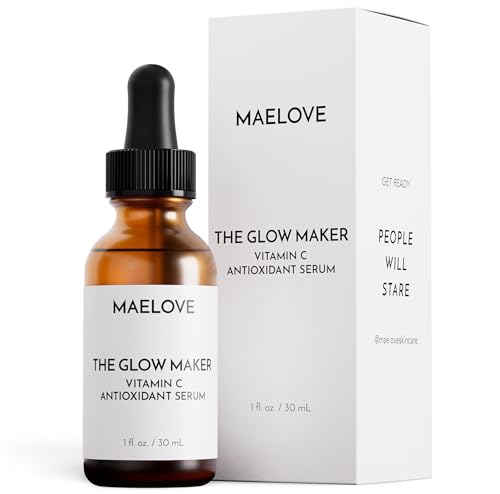
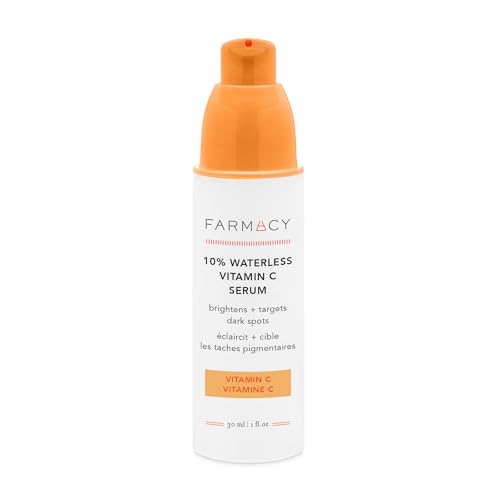
Every product below states its L-Ascorbic Acid (Vitamin C) percentage on the label or product page — ranked cheapest first by price per gram of active.
- 01 Shop $15.90
- 02 Shop $16.00
- 03 Shop $35.95
- 04 Shop $39.90
- 05 Shop $47.50
- 06Shop $8.10
The Ordinary
Vitamin C Suspension 23% + HA Spheres 2%



Affiliate links — we may earn a commission at no extra cost to you. Prices and disclosed % are set by the brand and can change.
07 / Questions
Frequently asked
- Is 12% ascorbyl glucoside as effective as 15% L-ascorbic acid?
- That comparison isn't supported by the evidence — the two molecules haven't been tested head-to-head at those percentages, and they aren't on the same absorption scale. L-ascorbic acid's 8-20% range comes from percutaneous absorption studies specific to the free acid. Ascorbyl glucoside's only concentration-specific human conversion data we could verify is at 2%, where it fully converted to active ascorbic acid in skin; a 12% formulation like The Ordinary's has not been directly studied at that dose. Ascorbyl glucoside is gentler and more stable in the bottle, which is a real advantage, but 'as effective' at a specific percentage isn't a claim the current evidence supports either way. 41
- Should I use L-ascorbic acid or a vitamin C derivative?
- It depends on what you're optimizing for, not a percentage comparison. L-ascorbic acid at 8-20% has the deepest photoprotection and penetration evidence, but needs a sub-3.5 pH that can sting and oxidizes quickly. If that's not tolerable for your skin, a derivative trades some proven activity for stability and gentler pH — sodium ascorbyl phosphate has the clearest standalone randomized-trial evidence among the derivatives, specifically for acne. See our vitamin C percentage guide for the full L-AA data and our vitamin C derivatives percentage guide for the derivative-by-derivative breakdown. 1
- Why do some vitamin C derivative products use much higher percentages than the studies I've read about?
- Because there's often no dose-finding study to match against. For L-ascorbic acid, the 8-20% range and 20% saturation ceiling are well characterized. For derivatives, published concentration-specific human data is often limited to a single study at a single, usually lower, percentage — ascorbyl glucoside at 2%, for instance — while commercial products are frequently formulated well above that (12% and higher in at least one disclosed product we checked). That doesn't necessarily mean the higher-percentage product is unsafe or non-functional, but its specific performance at that dose hasn't been directly tested in the studies we could verify. 4
- Is tetrahexyldecyl ascorbate (THD) a good vitamin C derivative?
- It has real formulation advantages — it's oil-soluble and penetrates without needing L-AA's low pH — but we could not verify a published human study establishing an effective percentage for it. What the literature does show is a real concern: THD degrades rapidly under oxidative stress and is a comparatively poor antioxidant on its own unless paired with a stabilizer, and it didn't significantly elevate collagen I production alone in fibroblast studies. A THD product's value depends heavily on the rest of the formula (its stabilizers), not on the THD percentage by itself — this applies even to a disclosed 20% product we checked in our catalog. 5
- Does the vitamin-C-percentage on a label always mean L-ascorbic acid?
- No, and this is the most common source of confusion. 'Vitamin C' can refer to the free acid (INCI: Ascorbic Acid) or to any of several derivatives (sodium/magnesium ascorbyl phosphate, ascorbyl glucoside, 3-O-ethyl ascorbic acid, tetrahexyldecyl ascorbate) — chemically distinct molecules that convert, penetrate, and have been studied differently. Always check the specific INCI name before assuming a percentage carries L-ascorbic acid's 8-20% evidence. 2
08 / References
Sources
- 1
- 2
- 3
- 4
- 5