
CeraVe
Data guide / Concern guide
The best ingredients for fine lines and wrinkles
Retinoids lead the evidence: retinol is the gold-standard OTC anti-ager and retinaldehyde is the more potent step-up. Peptides and vitamin C are strong supporting actives, niacinamide helps fine lines, and hyaluronic acid only temporarily plumps. The single most effective anti-wrinkle habit is daily SPF, which prevents the damage the others repair.
the evidence leaders
Retinoids
Wrinkles form as collagen and elastin in the dermis break down — partly with age, but mostly from cumulative UV exposure, which switches on collagen-degrading MMP enzymes. The actives that genuinely treat this work on the collagen cycle. Retinoids (retinol, and the more potent retinaldehyde) are the proven leaders: they stimulate new collagen and suppress its breakdown. Peptides signal fibroblasts to build collagen more gently, and vitamin C both supplies the cofactor for collagen synthesis and defends against the UV damage that causes the problem. Niacinamide supports the barrier and softens fine lines, while hyaluronic acid temporarily plumps their appearance through hydration rather than treating the cause. None of it outpaces the single most powerful step, which costs nothing in effort: daily broad-spectrum SPF, because preventing UV-driven collagen loss beats repairing it. Expect 12–24 weeks for visible change from a retinoid, and don't over-stack — a retinoid at night, vitamin C and SPF in the morning is a complete routine.
Retinol (Vitamin A) dossier ↗ · Retinaldehyde (Retinal) dossier ↗ · Peptides dossier ↗ · L-Ascorbic Acid (Vitamin C) dossier ↗ · Niacinamide (Vitamin B3) dossier ↗ · Hyaluronic Acid dossier ↗
02 / Retinol
Retinol: the gold-standard wrinkle active
Retinol is the most evidence-backed over-the-counter wrinkle ingredient there is. It converts in skin to retinoic acid, which switches on collagen production and shuts down the MMP enzymes that break collagen down — in controlled studies 0.4% retinol thickened aged skin and stimulated structural proteins, and improved fine wrinkling in a vehicle-controlled trial. It is the default starting point for anti-aging, with the trade-off of an adjustment period and night-only use.
- Study Topical 0.4% retinol applied for 7 days to naturally aged skin in vivo significantly increased epidermal thickness via keratinocyte proliferation (c-Jun upregulation), stimulated type I collagen, fibronectin, and elastin production, and activated the TGF-beta/CTGF pathway — producing effects comparable to retinoic acid without measurable retinoid-associated irritation. 1
- Study Topical 0.4% retinol lotion applied to elderly subjects (mean age 87 years) 3 times per week for 24 weeks produced significantly greater improvement in fine wrinkling scores than vehicle, with increased glycosaminoglycan and collagen expression in retinol-treated skin. 2
03 / Retinaldehyde
Retinaldehyde: the more potent OTC step-up
Retinaldehyde (retinal) sits one enzymatic step closer to active retinoic acid than retinol, which makes it roughly ten times more potent per unit and faster-acting — the strongest retinoid available without a prescription. A 125-patient RCT found it significantly improved profilometric wrinkle measures. It is the logical step up if retinol has plateaued; see our retinaldehyde-vs-retinol comparison for which to choose.
- Study In a 125-patient, 18-week RCT, topical retinaldehyde significantly improved profilometric measures of photodamage (wrinkle depth, skin roughness) with better tolerability than retinoic acid. 3
- Study Unoccluded 0.25% retinol induced epidermal cellular and molecular changes similar to those observed with 0.025% retinoic acid without producing irritation, while retinyl palmitate at 0.6% required occlusion to achieve comparable enzyme induction. 4
04 / Peptides
Peptides: signal collagen, gently
Signal peptides are the gentle, fragrance-free option for people who can't tolerate retinoids. Matrikine peptides like palmitoyl pentapeptide-4 (Matrixyl) improved wrinkle appearance versus vehicle in a 12-week split-face trial, and copper tripeptide (GHK-Cu) stimulates fibroblast collagen synthesis. The effect is milder than a retinoid's but it layers easily and suits sensitive skin.
- Study In a 12-week double-blind, vehicle-controlled, split-face RCT (n = 93 Caucasian women aged 35–55), a moisturiser containing 3 ppm pal-KTTKS provided statistically significant improvement over placebo in wrinkle/fine-line scores by both image analysis and expert grader evaluation. 5
- Study Copper tripeptide-1 (GHK-Cu) stimulates collagen synthesis by dermal fibroblasts in culture with half-maximal activity between 10⁻¹² and 10⁻¹¹ M, with the effect maximised at 10⁻⁹ M and independent of cell proliferation. GHK is thought to be liberated by matrix proteases at wound sites, functioning as a localised repair signal. 6
05 / Vitamin C
Vitamin C: collagen cofactor and photo-defense
Vitamin C earns its anti-aging place two ways: it is an essential cofactor for the enzymes that build collagen, and as an antioxidant it defends against the UV-driven free-radical damage that degrades collagen in the first place. That makes it the natural morning partner to a night-time retinoid — repair plus daytime defense, under sunscreen.
- Review Acts as a cofactor for prolyl and lysyl hydroxylases, enabling hydroxylation of proline and lysine residues in procollagen, which is required for stable triple-helix collagen formation. 7
- Study Provides antioxidant photoprotection against UV-induced erythema and sunburn cell formation; 15% L-ascorbic acid alone is protective, and the combination with 1% alpha-tocopherol yields an antioxidant protection factor of approximately 4-fold after 4 days of daily application. 8
06 / Niacinamide
Niacinamide: fine lines and barrier support
Niacinamide is a well-tolerated all-rounder: in a 12-week study, 5% niacinamide improved fine lines and wrinkles in women aged 40–60, and more broadly it stabilises the epidermis and reinforces the skin barrier. It won't match a retinoid for deep wrinkles, but it is the easiest supporting active and pairs with everything.
- Study 5% niacinamide twice daily for 12 weeks (split-face, double-blind, n=50, Caucasian women aged 40–60) reduced yellowing, wrinkling, red blotchiness, and hyperpigmented spots significantly versus vehicle control. 9
- Review In a review of niacinamide's pharmacological actions on skin, topical application stabilises epidermal barrier function (reducing TEWL and increasing stratum corneum moisture), stimulates keratinocyte differentiation, increases protein synthesis (e.g. keratin), and raises intracellular NADP levels. 10
07 / Hyaluronic acid
Hyaluronic acid: plumps — but it's surface hydration, not collagen
Be clear-eyed about hyaluronic acid: it is a humectant that binds water and temporarily plumps the look of fine lines, and topical HA across molecular weights has improved wrinkle and elasticity measures — but it works by hydrating the surface, not by rebuilding collagen. It makes lines look softer day-to-day; it does not treat their underlying cause the way a retinoid does. A useful comfort layer, not the engine of anti-aging.
- Source Topical 0.1% hyaluronic acid formulations across five molecular weights (50, 130, 300, 800, and 2000 kDa) all produced significant improvement in skin hydration and overall elasticity versus placebo after 60 days, with lower molecular weights (50 and 130 kDa) showing greater reduction in wrinkle depth. 11
- Review HA is a hygroscopic molecule that can bind 1,000 times its volume in water, functioning as a potent humectant in the stratum corneum and superficial epidermis. 12
08 / Summary
Key takeaways
- Retinoids are the evidence leaders — start with retinol, step up to retinaldehyde if it plateaus.
- Peptides and vitamin C are the best supporting actives; niacinamide softens fine lines.
- Hyaluronic acid only plumps the look of lines via hydration — it doesn't rebuild collagen.
- Daily SPF is the most powerful anti-wrinkle step: it prevents the UV collagen loss the actives repair.
- Give a retinoid 12–24 weeks, and keep the routine simple: retinoid at night, vitamin C + SPF by day.
Shop / Verified picks
Shop the verified picks
One best-value option for each ingredient recommended above — ranked by price per gram of active, with the verified affiliate link.
Shop on Amazon
$9.99

The Ordinary
The Ordinary Retinal 0.2% Emulsion

The Ordinary
Argireline Solution 10%

Geek & Gorgeous
C-Glow

The Ordinary
Niacinamide 10% + Zinc 1% Serum for Oily Skin - 1.0 oz
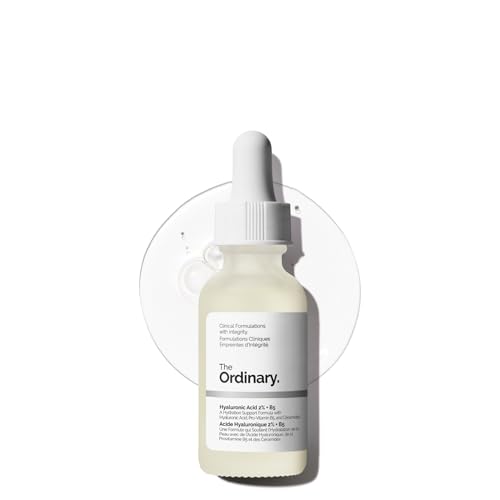
The Ordinary
Hyaluronic Acid 2% + B5 Hydrating Serum with Ceramides - Hydrating Serum 1.0 oz
Affiliate links — we may earn a commission at no extra cost to you. Prices are set by Amazon and can change.
09 / Questions
Frequently asked
- What is the best ingredient for wrinkles?
- A retinoid. Retinol is the most evidence-backed over-the-counter anti-wrinkle active — it stimulates collagen and suppresses the enzymes that break it down — and retinaldehyde is the more potent, faster-acting step-up. Peptides and vitamin C are strong supporting actives. Whatever you choose, daily SPF does more to prevent wrinkles than any active does to reverse them. 13
- Retinol or retinaldehyde for wrinkles?
- Both convert to the same active (retinoic acid), but retinaldehyde sits one step closer, making it roughly ten times more potent per unit and faster-acting — the strongest retinoid you can buy without a prescription. Retinol has the deepest long-term track record and is cheaper and more available. Start with retinol; step up to retinaldehyde if it plateaus. Our retinaldehyde-vs-retinol comparison breaks down the trade-offs. 43
- Do peptides actually reduce wrinkles?
- Modestly, yes, and they are the gentle option. A matrikine peptide (palmitoyl pentapeptide-4, sold as Matrixyl) improved wrinkle appearance versus vehicle in a 12-week split-face trial, and copper peptide stimulates collagen synthesis in fibroblasts. The effect is smaller than a retinoid's, but peptides are fragrance-free, well tolerated, and a sensible choice for skin that can't handle retinoids. 56
- Does hyaluronic acid reduce wrinkles?
- It reduces their appearance temporarily, not their cause. Hyaluronic acid is a humectant that binds water and plumps the surface, which softens how fine lines look day-to-day, and topical HA has improved wrinkle and elasticity measures in studies. But it works by hydrating, not by rebuilding collagen — so it is a comfort layer alongside a retinoid, not a replacement for one. 1211
- How long until anti-wrinkle ingredients work?
- Plan on 12–24 weeks for visible improvement from a retinoid, because you are waiting on the slow process of collagen remodelling. Niacinamide and hydration can improve skin feel sooner, but real wrinkle change takes months of consistency. The fastest way to lose ground is skipping sunscreen, since UV degrades collagen faster than any active rebuilds it. 29
10 / References
Sources
- 1
- 2
- 3
- 4
- 5
- 6
- 7
- 8
- 9
- 10
- 11
- 12