
The Ordinary
Data guide / Concern guide
The best ingredients for oily skin and large pores
First, the honest part: you cannot physically shrink a pore — pore size is largely genetic. What you can do is reduce how large pores look by clearing the congestion and oil that stretch them. Niacinamide regulates oil and refines appearance, salicylic acid de-congests from inside the pore, and a retinoid refines texture long-term. Over-stripping makes oily skin worse, not better.
you reduce their appearance, not their size
Pores don't shrink
It is worth saying plainly, because the whole category over-promises: you cannot permanently shrink your pores. Pore size is mostly genetic, and no topical changes the underlying anatomy. What makes a pore look large is what fills and stretches it — trapped sebum and dead-cell debris — plus the skin laxity that comes with age and sun damage. So the realistic goal is reducing the appearance, and the evidence-backed actives do exactly that. Niacinamide regulates oil production and has been shown to reduce both sebum and visible pore size, while supporting the barrier so the skin is not over-stripped. Salicylic acid, because it is oil-soluble, gets into the pore to dissolve the congestion and dial down oil at the source. A retinoid refines texture over months by normalising cell turnover. Two warnings: harsh, stripping routines make oily skin produce more oil, not less, and physical scrubbing irritates without de-clogging. Give it a few weeks, keep it gentle, and judge it by how skin looks and feels — not by an impossible promise to shrink pores.
Niacinamide (Vitamin B3) dossier ↗ · Salicylic Acid (BHA) dossier ↗ · Retinol (Vitamin A) dossier ↗
02 / Niacinamide
Niacinamide: regulates oil and refines pore appearance
Niacinamide is the best all-round active for oily, large-pored skin because it works on both drivers at once. In a controlled study, 2% niacinamide significantly reduced the skin's sebum (oil) excretion rate and visibly reduced pore size, and more broadly it stabilises the epidermis and strengthens the barrier — which matters because over-stripping oily skin backfires and triggers more oil. It is gentle, non-drying, and layers with everything, making it the easy daily base.
- Study Topical 2% niacinamide reduced sebum excretion rate and pore size significantly in a Japanese cohort and reduced surface sebum in a Caucasian cohort in a double-blind, placebo-controlled trial (n=100, 4 weeks). 1
- Review In a review of niacinamide's pharmacological actions on skin, topical application stabilises epidermal barrier function (reducing TEWL and increasing stratum corneum moisture), stimulates keratinocyte differentiation, increases protein synthesis (e.g. keratin), and raises intracellular NADP levels. 2
03 / Salicylic acid
Salicylic acid: clears the congestion that stretches pores
A pore looks large mostly because it is stretched by trapped oil and dead-cell debris. Salicylic acid is the right tool because it is oil-soluble — it gets down into the pore — and it both dissolves the cellular 'glue' holding congestion in place and suppresses sebocyte oil production through the AMPK/SREBP pathway. Used a few times a week, it empties and de-congests pores so they appear tighter and refined.
- Study Salicylic acid is a desmolytic agent — it disrupts cellular junctions (desmosomes) rather than lysing intercellular keratin filaments, distinguishing its keratolytic mechanism from simple keratin-dissolving agents. 3
- Study Salicylic acid treats acne vulgaris by suppressing sebocyte lipogenesis via the AMPK/SREBP-1 pathway and suppressing inflammation via the NF-κB pathway in sebocytes, and by increasing apoptosis via the death receptor signalling pathway. 4
04 / Retinol
Retinol: long-term pore and texture refinement
For lasting pore refinement, a retinoid is the deeper play. Retinol normalises the rapid, disordered skin-cell turnover that lets pores clog and stretch, thickening and re-organising the epidermis over months, with broad improvement in photodamaged, textured skin. It is slower and more irritating than niacinamide, so it is the night-time upgrade once your skin tolerates it — not the starting point.
- Study Topical 0.4% retinol applied for 7 days to naturally aged skin in vivo significantly increased epidermal thickness via keratinocyte proliferation (c-Jun upregulation), stimulated type I collagen, fibronectin, and elastin production, and activated the TGF-beta/CTGF pathway — producing effects comparable to retinoic acid without measurable retinoid-associated irritation. 5
- Study A pooled analysis of 6 vehicle-controlled trials (n=471) found 0.1% stabilized bioactive retinol significantly improved overall photodamage, wrinkles, and pigmentation vs vehicle from week 4 through week 12; irritation events (erythema, scaling) were rare, mild, and transient. 6
05 / Summary
Key takeaways
- Pore size is largely genetic — you reduce the appearance of pores, you don't physically shrink them.
- Niacinamide is the best daily base: it cuts oil and visible pore size while keeping the barrier intact.
- Salicylic acid is oil-soluble, so it de-congests from inside the pore and lowers oil at the source.
- A retinoid refines texture and pores over months — the night-time upgrade once skin tolerates it.
- Don't over-strip or scrub: harsh routines make oily skin produce more oil, and scrubbing only irritates.
Shop / Verified picks
Shop the verified picks
One best-value option for each ingredient recommended above — ranked by price per gram of active, with the verified affiliate link.
Shop on Amazon
$6.00
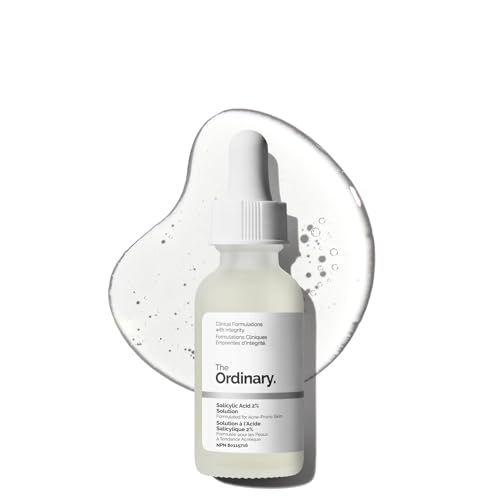
The Ordinary
Salicylic Acid 2% Solution, Exfoliating Serum for Acne

CeraVe
Resurfacing Retinol Serum
Affiliate links — we may earn a commission at no extra cost to you. Prices are set by Amazon and can change.
06 / Questions
Frequently asked
- Can you actually shrink your pores?
- No — pore size is largely determined by genetics, and no topical product permanently changes it. What you can change is how large pores look. Pores appear bigger when they are stretched by trapped oil and dead skin, and when skin loses firmness with age. Clearing that congestion (salicylic acid), regulating oil (niacinamide), and refining texture (a retinoid) all make pores look smaller and tighter, even though the underlying pore is unchanged. 13
- What is the best ingredient for oily skin?
- Niacinamide is the best daily choice — it reduces sebum production and visible pore size while reinforcing the barrier, so it controls oil without the rebound you get from harsh, stripping products. Salicylic acid is the ideal partner a few times a week because it is oil-soluble and clears congestion and lowers oil at the source. A common mistake is over-drying oily skin, which can prompt it to make even more oil. 14
- Why do my pores look bigger, and what helps?
- Pores look bigger mainly when they are filled and stretched by sebum and dead-cell debris, and when skin laxity from age or sun damage makes them sag open. Oil-soluble salicylic acid empties and de-congests the pore, niacinamide reduces the oil that refills it, and a retinoid firms and refines texture over time. Daily sunscreen helps too, by protecting the collagen that keeps skin — and pores — taut. 45
- Does scrubbing or stripping oily skin help with pores?
- No, both backfire. Physical scrubbing irritates the skin and the follicle without actually removing the deep congestion that enlarges pores. Stripping oily skin with harsh cleansers removes the protective barrier and can trigger more oil production in response. The effective approach is gentle: a non-stripping niacinamide base, chemical (not mechanical) exfoliation with salicylic acid, and patience. 23
07 / References
Sources
- 1
- 2
- 3
- 4
- 5
- 6