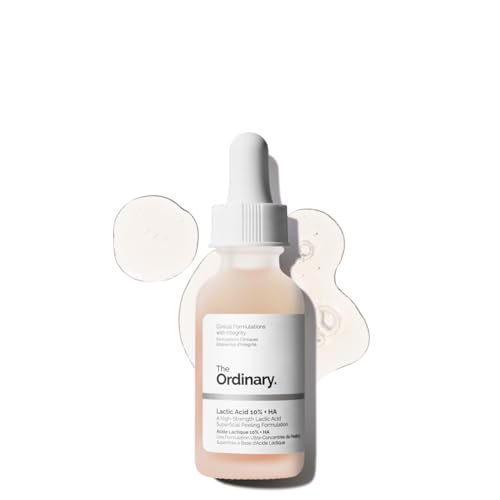
The Ordinary
Data guide / Concern guide
How to treat keratosis pilaris ("strawberry skin")
Keratosis pilaris responds to two things together: a gentle exfoliating acid to dissolve the keratin plugs (lactic acid first, salicylic acid to reach the follicle) and ceramides to repair the dry, impaired barrier. It is benign and chronic, so the goal is management, not a permanent cure — and patience plus moisture beats aggressive scrubbing.
exfoliate and repair, together
Acid + ceramides
Keratosis pilaris — the rough, bumpy 'strawberry skin' or 'chicken skin' on upper arms, thighs, and cheeks — happens when keratin builds up and plugs the hair follicles, usually on a backdrop of dry, barrier-impaired skin. So the fix has two halves that work together. The exfoliating half uses a gentle alpha-hydroxy acid (lactic acid is the best-tolerated first choice; glycolic is stronger but more irritating) to dissolve the keratin plugs, with oil-soluble salicylic acid to reach into the follicle. The repair half uses ceramides to rebuild the barrier and hold in moisture, because acids alone on already-dry KP skin just make it raw. What does NOT work is physical scrubbing, which irritates the follicles and can worsen the bumps. Keep expectations honest: KP is harmless and chronic — it tends to improve with consistent care and often eases with age, but it is managed rather than cured, and it returns if you stop. Give a routine 4–8 weeks.
Lactic Acid dossier ↗ · Salicylic Acid (BHA) dossier ↗ · Glycolic Acid (AHA) dossier ↗ · Ceramides dossier ↗
02 / Lactic acid
Lactic acid: the gentle first choice for KP
Lactic acid is the best starting active for keratosis pilaris because it does two jobs at once. As an alpha-hydroxy acid it gently dissolves the keratin plugging the hair follicles — the bumps — and as a component of skin's natural moisturizing factor it hydrates the dry, rough texture that comes with KP. The studied body strength is around 12%. Glycolic acid is a stronger AHA option for stubborn bumps, but it tends to be more irritating on the already-dry skin KP brings, so most people do better starting with lactic.
- Study 12% lactic acid applied twice daily for 3 months produced increased epidermal and dermal firmness and thickness, and clinical improvement in skin smoothness and wrinkle appearance; 5% lactic acid produced similar epidermal changes but no measurable dermal changes. 1
- Review Lactic acid is a component of the skin's natural moisturizing factor (NMF) — the pool of water-soluble hygroscopic compounds resident in corneocytes — accounting for a meaningful fraction of total NMF that maintains stratum corneum hydration. Its presence in NMF distinguishes it from glycolic acid and explains its dual exfoliant-plus-humectant profile. 2
03 / Salicylic acid
Salicylic acid: clears the follicular plug
Salicylic acid adds a different angle. It is oil-soluble — so unlike the water-loving AHAs it can penetrate into the follicle itself — and it works by desmolysis, breaking down the cell-junction 'glue' that holds the keratin plug together. A salicylic acid body wash or lotion pairs naturally with lactic acid: the AHA resurfaces and hydrates, the BHA gets down into the bumps.
- Review Beta-hydroxy acids (BHAs) such as salicylic acid are lipid-soluble in contrast to the water-solubility of alpha-hydroxy acids (AHAs); this lipid-solubility allows BHAs to penetrate into the skin through sebaceous follicles, making them appropriate for patients with oily skin and open comedones. 3
- Study Salicylic acid is a desmolytic agent — it disrupts cellular junctions (desmosomes) rather than lysing intercellular keratin filaments, distinguishing its keratolytic mechanism from simple keratin-dissolving agents. 4
04 / Ceramides
Ceramides: the moisture half people skip
The mistake most KP routines make is acid without moisture. KP skin has an impaired barrier and chronic dryness, and exfoliating acids alone can leave it raw. Ceramides are the dominant lipid of the skin barrier, and a ceramide body cream layered over your acid restores that barrier and locks in water — which is what actually keeps the skin smooth instead of irritated. Acid to exfoliate, ceramides to repair: KP responds to both, not either alone.
- Study A ceramide-dominant, physiologic lipid-based topical emulsion with a 3:1:1 ratio of ceramides:cholesterol:free fatty acids improved atopic dermatitis signs and symptoms in a 50-center, open-label interventional study of 207 patients. 5
- Review The stratum corneum lipid matrix is composed of approximately 50% ceramides, 25% cholesterol, and 15% free fatty acids by weight — an approximately 1:1:1 molar ratio of these three lipid classes. 6
05 / Summary
Key takeaways
- Treat both halves: a gentle acid (lactic first) to dissolve plugs AND ceramides to repair the dry barrier.
- Lactic acid is the best-tolerated first choice; salicylic acid reaches into the follicle; glycolic is stronger but harsher.
- Do NOT physically scrub — it irritates follicles and worsens the bumps.
- KP is benign and chronic: you manage it, you don't permanently cure it, and it returns if you stop.
- Be patient — give a routine 4–8 weeks, and keep skin moisturised the whole time.
Shop / Verified picks
Shop the verified picks
One best-value option for each ingredient recommended above — ranked by price per gram of active, with the verified affiliate link.
Shop on Amazon
$9.20
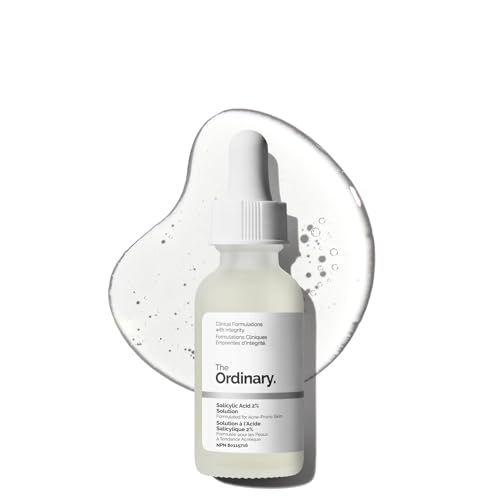
The Ordinary
Salicylic Acid 2% Solution, Exfoliating Serum for Acne

The Ordinary
Glycolic Acid 7% Exfoliating and Brightening Daily Toner - 8.0 oz

CeraVe
CeraVe Moisturizing Cream
Affiliate links — we may earn a commission at no extra cost to you. Prices are set by Amazon and can change.
06 / Questions
Frequently asked
- What is the best ingredient for keratosis pilaris (strawberry skin)?
- Lactic acid is the best starting point — it gently dissolves the keratin plugs that cause the bumps and hydrates the dry skin at the same time. Pair it with a ceramide moisturiser to repair the barrier, and add a salicylic acid body wash to reach into the follicles. Glycolic acid is a stronger alternative for stubborn cases, but it is more irritating on dry KP skin. 13
- Why do exfoliating acids alone not fix KP?
- Because KP is dry, barrier-impaired skin as much as it is clogged follicles. Acids dissolve the plugs, but used alone on already-compromised skin they can leave it raw and inflamed. Ceramides — the main barrier lipid — restore the skin's moisture barrier, so layering a ceramide cream over your acid is what makes the difference between smooth skin and irritation. 56
- Can you cure keratosis pilaris permanently?
- No — KP is a benign, chronic condition, so the realistic goal is management rather than a permanent cure. The good news is it is harmless, it usually improves with consistent exfoliation and moisture, and it often eases on its own with age. But it tends to return if you stop treating it, so think of it as ongoing maintenance, not a one-time fix. 14
- Should I scrub keratosis pilaris bumps?
- No. Physical scrubbing with brushes or harsh scrubs irritates the follicles and can make KP worse, not better. The bumps are keratin plugs deep in the follicle, not surface dirt — they respond to chemical exfoliation (lactic, salicylic) that dissolves the plug, combined with barrier-repairing moisture, not to mechanical abrasion. 46
07 / References
Sources
- 1
- 2
- 3
- 4
- 5
- 6